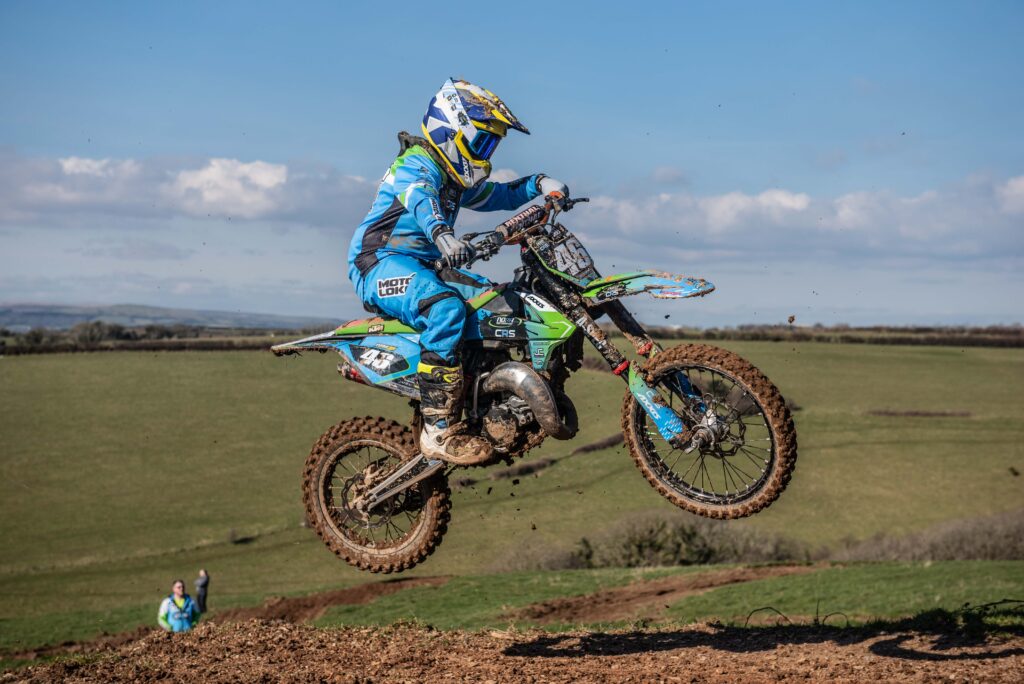
With the start of the 2026 season fast approaching in the UK the NORA CRS Development Team riders are busy preparing for the first gate drop of 2026. We took five minutes of the newly appointed Team Managers time to discuss the team, plans, goals and more in this two part interview.
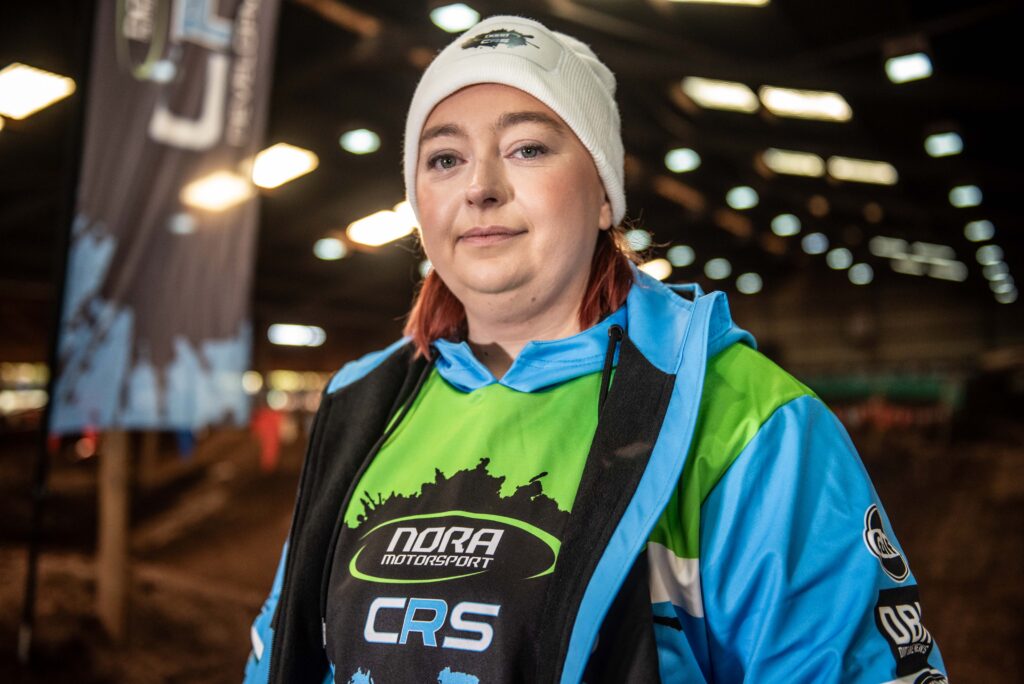
Here is part one of interview Gemma Barton (Team Manager).
You’ve stepped into the role of Team Manager for the NORA CRS Development Team for 2026 — what does that appointment mean to you personally?
“Stepping into this role is truly an honour. I’ve been part of this team since the very beginning, and it feels incredibly rewarding to have grown alongside it and worked my way into this position. Anyone who knows me understands how passionate I am about our riders and our community, so becoming team manager means a great deal to me. I’m excited to lead with that same passion and continue helping the team thrive.”
How would you describe your role within the team, and what are your key responsibilities day to day? I am sure they are several staff behind you working on different aspects of the team.
My role as Team Manager is to provide direction, consistency, and support across the entire programme. Day to day, I’m responsible for overseeing the development pathway, ensuring our riders have what they need to progress, and keeping communication strong between riders, families and coaches. I also coordinate planning for events, training and rider support, making sure everything runs smoothly behind the scenes. That includes managing logistics, maintaining standards, and ensuring our processes are clear and accessible for everyone involved.
While I may head the programme, I’m far from doing it alone. We have several dedicated staff members who each bring their own expertise — from coaching, social media and sponsorship.
How would you describe the current makeup of the NORA CRS Development Team?
The NORA CRS Development Team brings together young riders at different stages of their journey, all working within a structured pathway designed for longterm growth. The mix of emerging talent, supportive families, and a strong coaching network creates a positive, motivating environment.
Each rider has their own strengths and goals, and our role is to meet them where they are and help them progress. We’re more than a group of individuals — we’re a community. Riders learn from one another, support each other, and grow together, and that shared sense of purpose is what makes the programme so effective.
What qualities do you look for when identifying and supporting young riders within the programme?
For me, it’s about qualities that go beyond speed. Talent matters, but attitude is what truly stands out. I look for riders who are eager to learn, open to feedback, and willing to put in consistent effort. A positive mindset, resilience, and the ability to handle both progress and setbacks are key.
Respect, good communication, sportsmanship, and a genuine passion for the sport also play a huge role in how well a young rider develops. Once they’re part of the team, my focus is on supporting them as whole individuals — helping them build confidence, develop healthy habits, and navigate challenges. A supportive, structured environment allows them to thrive not just as riders, but as people.
How important is the team environment — beyond just riding ability — in developing future professionals?
The team environment is crucial in developing future PRO. Riding ability will get a young athlete noticed, but it’s the environment around them that shapes who they become. A supportive, structured, and positive team culture teaches riders how to communicate, handle pressure, work with others, and carry themselves with professionalism — all qualities that matter just as much as talent.
I think when a rider feels valued, encouraged and part of something bigger than just themselves, they can grow in confidence and resilience.
Stay tuned for part 2 early next week!