We are back with the second and final part of our five minutes with Team Manager, Gemma Barton ahead of the 2026 motocross season getting underway in the UK.
What excites you most about the riders selected for the 2026 programme?
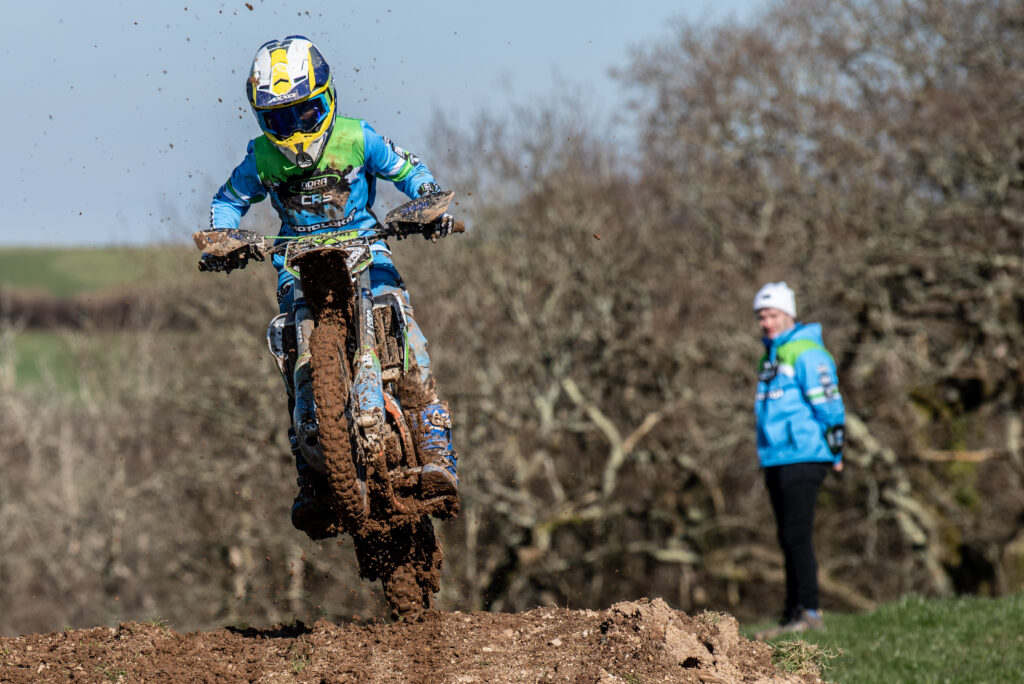
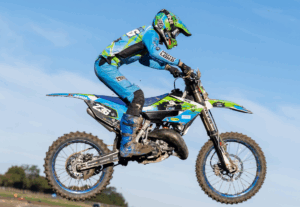
I think our 2026 rider lineup is the strongest we’ve ever had. I’m excited to see how Rafe and Jesse continue to thrive under the NORA CRS banner, and just as excited to watch our new riders bring all the hard work they’ve been putting in already behind the scenes with Coach Robb and Joe Clayton into their season.
I genuinely believe they’re going to smash it and do NORA CRS proud — and I can’t wait to see some podiums in 2026.
What are the main objectives for the NORA CRS Development Team in 2026?
For me, our main objectives fall into three key areas:
1. Rider Development and Progression Giving every rider the tools, coaching, and structure they need to grow — not just in speed, but in confidence, resilience, and professionalism.
2. Building a Strong, Supportive Team Culture Creating a positive environment built on respect, communication, and teamwork, where riders and families feel valued and supported.
3. Expanding Opportunities and Exposure Providing more chances for riders to gain experience through events, training camps, and development initiatives, preparing them for the next level with the right challenges at the right time.
How do you measure success for a development programme like this — is it results, progression, mindset, or something broader?
Success in a development programme like this is defined by one thing, yes results matter and are great to see but they are only part of a much bigger picture. For me, success is measured through a combination of progression, mindset, and personal growth.
So, for us, success is about developing wellrounded young people who are prepared for the next step in the sport and in life. If we can help riders build strong foundations, healthy habits, and a positive relationship with the sport, then the programme is doing exactly what it’s meant to do.
Are there specific performance or development milestones you’d like the riders to reach by the end of the season?
There are key milestones we’d like riders to reach by the end of the season, but they’re tailored to development rather than fixed results. Every rider is at a different stage, so success looks different for each of them. For me, if a rider can finish the season ahead of the person, they were always one step behind at the start, then we’ve achieved something meaningful. That kind of personal progression shows growth, confidence, and a genuine step forward — and that’s exactly what a development programme should deliver.
How does the programme support riders both on and off the bike?
The programme supports riders both on and off the bike by focusing on their development as whole individuals. On the bike, we provide structured coaching, clear progression pathways, and opportunities to build technique, race craft, fitness, and consistency.
Off the bike, we work on mindset, communication, preparation, and the habits that lead to longterm success. We help riders handle pressure, set goals, reflect on their progress, and build resilience, while also ensuring families feel supported and informed.
Overall, the programme gives riders the tools, structure, and confidence they need to grow — not just as athletes, but as wellrounded young people ready for the next step in the sport.
What role do coaching, mentoring, and education play within the structure of the team?
Coaching, mentoring, and education are central to how the team operates, each playing an important role in a rider’s development. Coaching builds the technical foundation — skills, race craft, fitness, and structured progression. Mentoring adds the personal support riders need, helping them build confidence, resilience, and maturity. Education ties it all together by teaching preparation, communication, responsibility, and the behaviours expected at higher levels, ensuring riders grow into wellrounded young people.
How do you balance competition pressure with long-term rider development?
Balancing competition pressure with longterm development is essential. Racing brings intensity, but our priority is always progression, not just weekend results. We use competition as a learning tool — a place to build skills, test mindset, and develop resilience.
When pressure rises, we refocus on the fundamentals: effort, attitude, consistency, and personal improvement. If a rider takes something valuable from each event, whether technical or mental, the race has done its job. This approach keeps riders grounded, reduces stress, and builds healthy habits.
Ultimately, we want riders who can perform under pressure without being defined by it. By keeping development at the centre, competition becomes a stepping stone rather than a weight on their shoulders.
What lessons have you taken from previous seasons that are shaping the 2026 plans?
I think we grow and learn every year. 2025 was our hardest season yet for various reasons, but those challenges shape the season that follows. The lessons we’ve taken from it have made us stronger and better.
For me, the biggest takeaway is the importance of structure and clear guidance. With the changes in roles within the team, I believe we’ll set a new precedent for how we operate in 2026 — and that shift will make a real difference.
Looking beyond 2026, what is your long-term vision for the NORA CRS Development Team?
Our vision is to create champions. We know that doesn’t happen overnight, and we’re committed to putting in the work with these riders to develop future British Champions.
Long term, the goal is to build PRO level athletes. As much as we love working with them and hope to support them for years, our purpose is to equip them with the tools, habits, and professionalism that make PRO teams take notice.
How would you like this programme to be viewed within British Motocross in the next five to ten years?
In the next five to ten years, I want this programme to be recognised as the leading development pathway in British Motocross — the place where young riders grow, learn, and take the steps that prepare them for the highest levels of the sport. I’d like us to be known for producing wellrounded athletes with strong foundations, professionalism, and the mindset needed to succeed.
More than that, I want the programme to be viewed as a benchmark for structure, support, and rider welfare. A team that consistently develops talent, sets high standards, and helps riders progress toward PRO opportunities. If, in a decade, people look at NORA CRS and say, “That’s where champions are built,” then we’ve achieved exactly what we set out to do.
Do you see this as a pathway to international competition, and if so, how does the team help bridge that gap?
Absolutely — our goal is to get these riders onto the world stage. From day one, our plan with Coach Robb has been to build athletes who are genuinely ready to head stateside and take on legendary events like the Mini O’s.
Why is it so important to have a structured development programme like this within the UK?
A structured development programme is essential in the UK because it gives young riders a clear pathway, consistent support, and the foundations they need to progress. Without structure, riders often rely on guesswork, inconsistent coaching, or shortterm results to guide their journey. A programme like this provides stability, longterm planning, and the right environment for riders to grow technically, mentally, and personally.
It also raises the overall standard of British motocross. When riders are developed properly — with good habits, strong mindset, and professional guidance — the whole sport benefits. It creates a stronger talent pool, better opportunities, and a clearer route for riders who want to reach national and international levels.
What challenges do young British riders face without access to initiatives like the NORA CRS Development Team?
Without initiatives like the NORA CRS Development Team, young British riders often face a lack of structure, consistent coaching, and clear progression pathways. Many end up trying to develop through trial and error, which can slow their growth and make it harder to build the foundations they need.
Another challenge is limited exposure and opportunity. Riders without a development pathway can struggle to access the right events, training environments, or connections that help them move toward national or international levels.
Overall, without structured support, many talented riders risk plateauing early or losing confidence. Programmes like NORA CRS bridge that gap by giving them the tools, guidance, and environment they need to progress with purpose.
How does this programme help retain talent and keep riders progressing within the UK system?
This programme helps retain talent by giving riders a clear pathway, consistent support, and a strong sense of belonging. With structured coaching, mentoring, and opportunities they might not access alone, riders stay motivated and keep progressing. When young athletes feel guided, valued, and developed properly, they’re far more likely to stay in the UK system and continue moving toward higher levels of the sport.
In your view, what impact can this team have on the future of British Motocross racing as a whole?
This team has the potential to make a significant impact on the future of British Motocross. By developing riders properly from a young age, I feel we’re helping raise the overall standard of the sport! When riders come through a programme like this, they’re more skilled, more prepared, and more professional, which strengthens the entire talent pool.
Beyond individual results, the team can set a benchmark for how rider development should look in the UK. If we continue to produce wellrounded athletes who progress through the system and move toward national and international levels, it encourages other programmes, clubs, and teams to raise their standards too. In the long run, that lifts British Motocross as a whole.
What message would you like to send to young riders who aspire to be part of the NORA CRS Development Team in the future?
To young riders who hope to join the NORA CRS Development Team one day: stay hungry to learn, stay consistent, and stay true to the basics. Speed matters, but attitude, effort, and resilience matter even more. Focus on building good habits, listening to your coaches, and pushing yourself in the right ways — not just the fast ones.
Most importantly, believe in your potential. If you’re willing to work hard, stay respectful, and keep improving step by step, you’ll put yourself in the best position to be noticed. We’re always looking for riders with heart, commitment, and a genuine love for the sport.
Finally, what are you most proud of as you look ahead to the 2026 season?
I’m most proud of the talented riders we have on board for 2026 and the work everyone is putting in during the offseason. I can already see how hard they’re pushing with Coach Robb — those first few months are tough, but their determination to better themselves is clear.
At the same time, we’re working hard at NORA CRS to make sure they look the part with race kits, helmets, and bike graphics; while continuing to build our infrastructure so the team setup is absolutely on point for the season ahead!